Ed Coleman
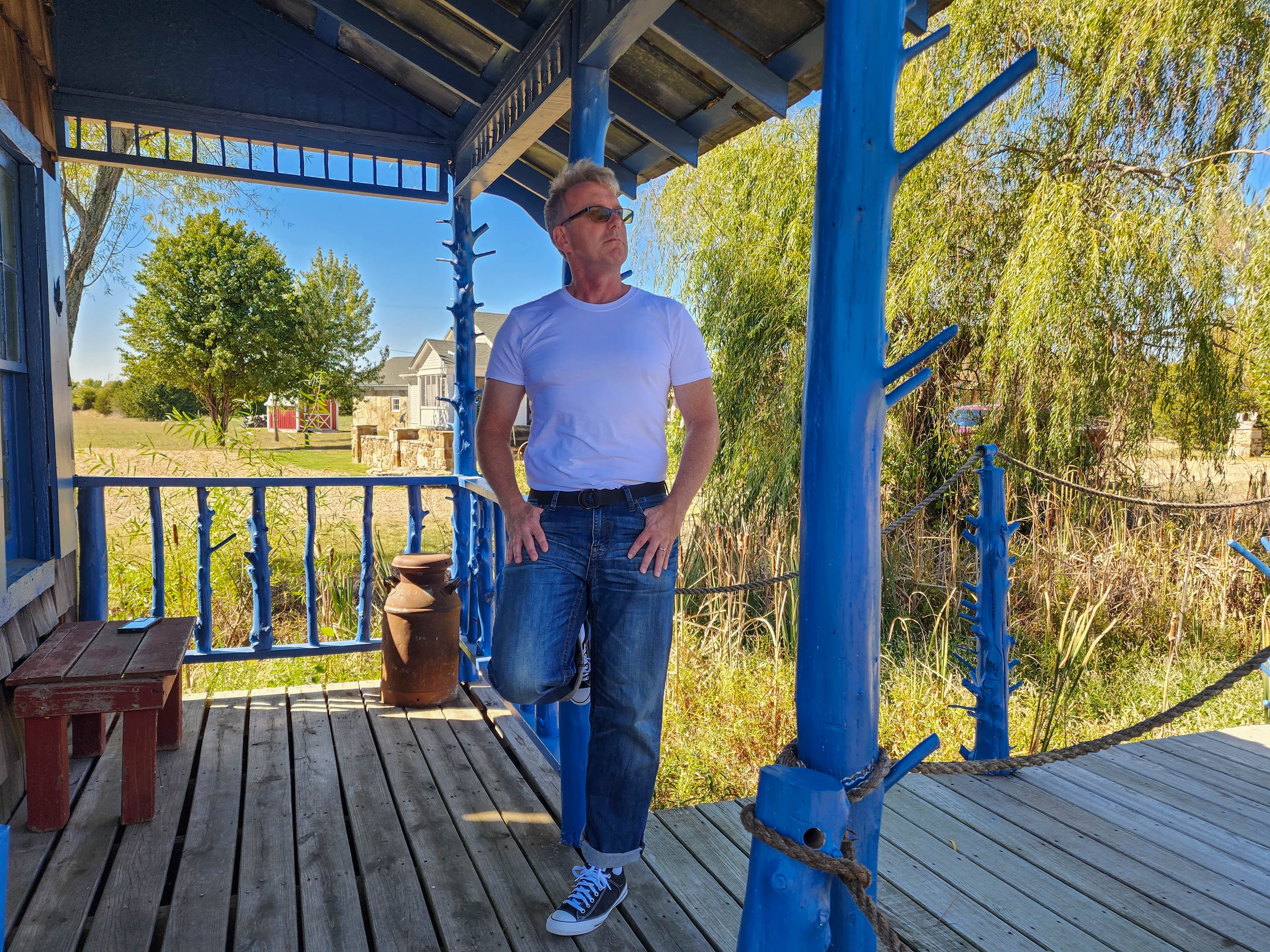
Ed and his partner Jenn, are the creative force behind the website Coleman Concierge. Ed is a nationally syndicated travel writer who has garnered numerous awards for his travel writing and featured in Business Insider, HuffPost UK, and numerous state tourism boards. Ed deeply believes in the transformational power of travel, and their website encourages everyone to step outside their comfort zone and seek adventure.
What got you into travel journalism?
I’ve always loved writing. On my first date with Jenn, I probably bored her with all the details of a science fiction book I was writing, so storytelling has clearly been part of me for a long time. I’ve also always loved travel and adventure. As Jenn and I started imagining our “Life 2.0,” travel journalism became a way to combine those passions while helping people travel better. We especially wanted to promote sustainable tourism and show how travel dollars can support local communities, protect wildlife and preserve the places we love. At its best, tourism gives destinations a sustainable economic alternative to things like logging, hunting or resource extraction. If our stories can inspire a great trip while also helping protect a place for the future, that’s the kind of travel journalism I want to do.
What’s the most challenging part of being a travel journalist?
The hardest part is balancing the experience with the work. Travel journalism can look glamorous from the outside, but while everyone else is enjoying the sunset, the meal or the adventure, we’re thinking about photos, notes, interviews, video and the story we still need to write. There’s also a responsibility to be honest. We want to support destinations and partners, but we also owe our readers useful, trustworthy information. Finding that balance while still being present enough to actually experience a place is probably the biggest challenge.
What is the most rewarding aspect of travel journalism?
The most rewarding part is knowing that a story can make a real difference. It might inspire someone to take a trip they never thought was possible, help a small business connect with new visitors, or bring attention to a person or a destination doing tourism the right way. I also love that travel journalism gives us a reason to keep learning. Every trip introduces us to new people, cultures, landscapes, and ideas, and then we get to turn those experiences into stories that can help others travel more thoughtfully and confidently.
What is something you wish people knew about travel journalism?
I wish people knew how much work happens behind the scenes. Travel journalism is not just taking a free trip, snapping a few photos and posting about it. There is research, pitching, planning, interviewing, photography, video, editing, writing, SEO, social media and often months of follow-up after the trip is over. The destination may be incredible, but we are still working while we are there. That said, getting to tell meaningful stories about amazing places and people makes all of that work worthwhile.
How have your cross-cultural experiences shaped your point of view of the world?
Travel has made the world feel both much bigger and much smaller. In Tanzania, we saw how deeply community, conservation and tourism can be connected. In Finland, we experienced a culture that values simplicity, nature and slowing down in ways that felt very different from home. In Sri Lanka and Alaska, we were reminded again that people can build meaningful lives around completely different landscapes, traditions and rhythms. Those experiences have made me more curious and less likely to assume there is only one right way to live. They have also reinforced why responsible travel matters. The best trips do more than introduce you to a new place. They challenge your assumptions and change the way you understand your own world.
What have you enjoyed most about being a NATJA member?
What I’ve enjoyed most about NATJA is the sense of community. Travel journalism can be a surprisingly solitary profession, so it is valuable to have a network of people who understand the work, the challenges and the strange rhythm of this career. I’ve also appreciated the opportunities to learn from other journalists, connect with destinations and industry partners, and be part of a group that genuinely cares about telling better travel stories. NATJA has helped make a very big industry feel much more personal.